
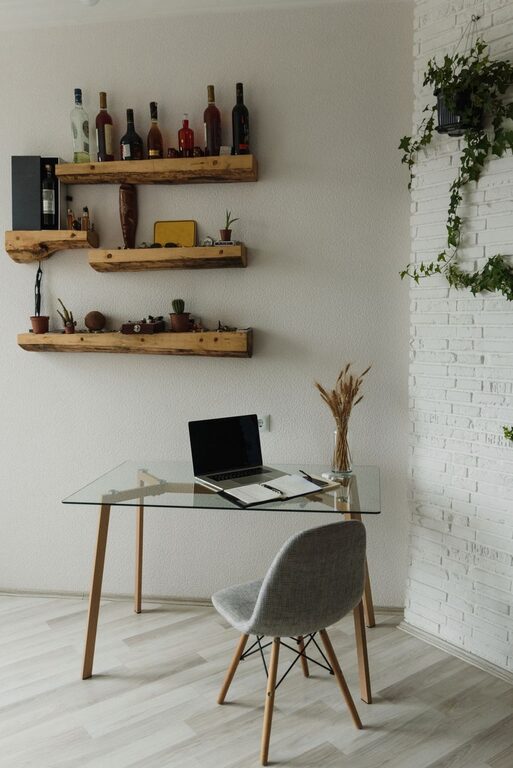
Creating a home office that feels cozy yet remains highly functional can transform the way you work, boosting both your productivity and well-being. Whether you’re new to working from home or looking to refresh your workspace, combining comfort with efficiency is key. In this post, we’ll explore practical tips to help you design a home office space that is inviting and tailored to your needs.
Why a Cozy and Functional Home Office Matters
A dedicated workspace that balances comfort and practicality can improve your focus, reduce stress, and make workdays more enjoyable. When your office feels like a place you want to be, you’re more likely to maintain good work habits and separate your professional life from your personal one.
Step 1: Choose the Right Location
Selecting the perfect spot for your home office is the foundation of creating a productive area.
– Look for natural light: A bright space can enhance mood and reduce eye strain. Position your desk near a window if possible.
– Consider noise levels: Choose a quieter area of your home where interruptions are minimal.
– Think about foot traffic: Avoid placing your workspace in high-traffic spots to stay focused.
If space is limited, even a corner of your living room or bedroom can be transformed with some thoughtful design.
Step 2: Select Comfortable and Supportive Furniture
Since you’ll spend a significant amount of time in your office, investing in ergonomic furniture is essential.
– Ergonomic chair: Look for adjustable height and good lumbar support to maintain proper posture.
– Desk size: Choose a desk large enough to accommodate your computer, paperwork, and other tools, but not so big that it overcrowds the room.
– Additional seating: A small, comfortable chair or ottoman can be added for relaxation or quick brainstorming sessions.
Comfortable furniture helps prevent fatigue and physical discomfort.
Step 3: Optimize Layout for Functionality
Organize your workspace so everything you need is within easy reach and the space supports your workflow.
– Use zones: Define areas for computer work, paperwork, and storage.
– Keep the desk clear: Avoid clutter by using organizers or shelves.
– Cable management: Use clips or boxes to keep cords tidy and avoid tripping hazards.
A well-thought-out layout promotes efficiency and reduces distractions.
Step 4: Add Personal Touches for Coziness
Your workspace should feel welcoming and inspire creativity. Adding personal touches helps achieve that cozy atmosphere.
– Soft textures: Include a small rug, cozy throw blanket, or plush cushions.
– Plants: Adding greenery can improve air quality and create a calming environment.
– Artwork and photos: Display pictures or artwork that motivate or relax you.
– Warm lighting: Use a desk lamp or floor lamp with soft light instead of relying solely on overhead fluorescent lighting.
These elements make your office feel like a space you enjoy spending time in.
Step 5: Maximize Storage and Organization
Clutter can hamper productivity and make the office feel less comfortable.
– Shelving: Install wall shelves to keep books, supplies, and decor organized.
– Storage bins and drawers: Use them to hold paperwork, gadgets, and accessories.
– Desk organizers: Keep pens, paper, and frequently used items neatly arranged.
Developing a storage system tailored to your habits helps maintain a clean and inviting workspace.
Step 6: Pay Attention to Technology Needs
Reliable technology helps your workday run smoothly.
– Equipment: Invest in a good computer, printer, and headset if needed.
– Internet connection: Ensure your workspace has strong Wi-Fi or a wired connection.
– Screen placement: Position monitors at eye level to avoid neck strain.
Keeping technology updated and accessible enhances your efficiency.
Step 7: Maintain Work-Life Balance with Boundaries
Creating a home office can blur the lines between work and home life. Setting boundaries helps maintain balance.
– Set office hours: Define when your workday starts and ends.
– Close the door or use a room divider: Physically separate work from personal space.
– Clear the desk at the end of the day: It signals the end of work time.
These habits encourage a healthier routine and help prevent burnout.
Final Thoughts
Designing a cozy and functional home office doesn’t require a large budget or space. With thoughtful planning, attention to comfort, and organization, you can craft a workspace that supports your productivity and feels like a pleasant part of your home. Start with simple changes and gradually adapt your office as your needs evolve.
Take the time to create a space where you feel inspired and comfortable—it’s an investment in your work and well-being!