
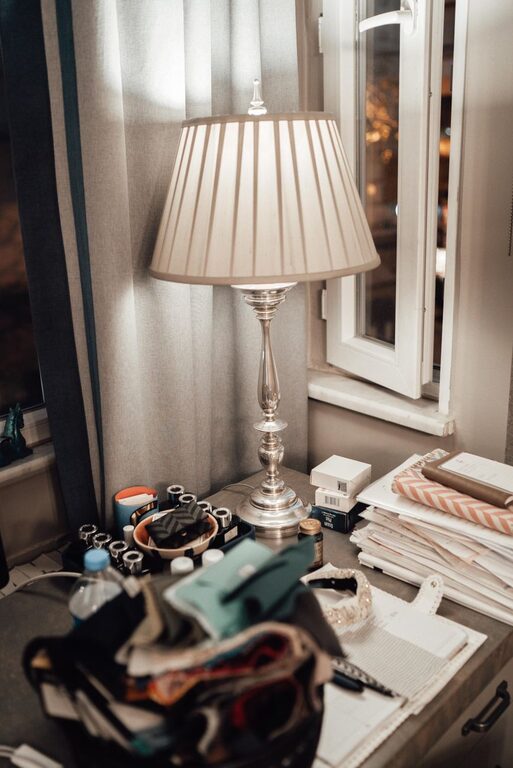
Creating a comfortable and inviting home office space can make a big difference in your productivity and overall well-being while working from home. Whether you have a dedicated room or a small corner, making your workspace cozy doesn’t have to be complicated or expensive. This guide offers straightforward tips to help you design a home office that feels welcoming and supports your daily tasks.
Why a Cozy Home Office Matters
A well-designed home office can positively impact your focus, creativity, and motivation. When your workspace feels comfortable and inviting, you are more likely to enjoy your workday, reduce stress, and maintain a healthy work-life balance.
Choosing the Right Location
Prioritize Natural Light
Select a spot near a window if possible. Natural light helps improve mood and reduces eye strain. Position your desk so you face or sit beside the window, avoiding glare on your screens.
Consider Noise Levels
Find a quiet area where distractions are minimal. If your home is busy, consider using noise-canceling headphones or white noise machines.
Maximize Space Efficiency
Even a small nook can become a functional home office if you use vertical storage and compact furniture.
Comfortable and Functional Furniture
Invest in an Ergonomic Chair
A chair with proper lumbar support helps prevent back and neck pain during long work hours. Adjustable chairs allow you to customize your seating position for comfort.
Choose the Right Desk
Your desk should be at a height that allows your arms to rest comfortably. If space is limited, consider wall-mounted or foldable desks.
Add a Footrest
A footrest can improve posture and circulation, making sitting for extended periods more comfortable.
Soft and Warm Lighting
Avoid harsh overhead lighting that can feel clinical. Instead, use:
– Desk lamps with warm bulbs for task lighting
– Floor lamps to add ambient light
– Smart bulbs that allow you to adjust brightness and color temperature
Soft lighting creates a relaxing atmosphere and reduces eye strain.
Personal Touches and Decor
Use Colors That Calm and Inspire
Soft neutrals, pastel shades, or muted blues and greens can create a peaceful environment. Add pops of color with accessories like cushions, artwork, or plants.
Incorporate Plants
Indoor plants improve air quality and add a natural, calming vibe. Low-maintenance options like succulents or pothos work well in office spaces.
Display Meaningful Items
Photos, artwork, or motivational quotes can make the space feel more personal and uplifting. Be mindful not to clutter your desk with too many items.
Organize to Reduce Clutter
Use Storage Solutions
Shelves, drawers, and desk organizers help keep your workspace tidy. Label containers for quick access to supplies.
Declutter Regularly
Set aside time each week to clear paper piles and unnecessary items. A clean workspace promotes clarity and reduces stress.
Cable Management
Use clips or cable sleeves to organize cords and prevent tangling, which can make your desk look messy.
Add Cozy Textures
Introduce texture with soft rugs, cushions, or throws. These add warmth and make the space feel inviting, especially during colder months.
Maintain Proper Air Quality and Temperature
Good ventilation and comfortable temperatures keep you alert and comfortable. Open windows when possible and consider a small fan or heater to adjust the environment.
Create Zones for Different Tasks
If space allows, designate areas for specific work functions such as:
– A main desk for computer work
– A reading nook with a comfortable chair
– A whiteboard or bulletin board for notes and ideas
This separation can help your brain switch between different modes of work effectively.
Final Thoughts
A cozy and inviting home office improves your work experience and supports your health and productivity. By focusing on comfort, lighting, organization, and personal touches, you can create a workspace that you look forward to using every day. Start small and customize your office to fit your style and needs—it’s an investment in your work and well-being that will pay off.